
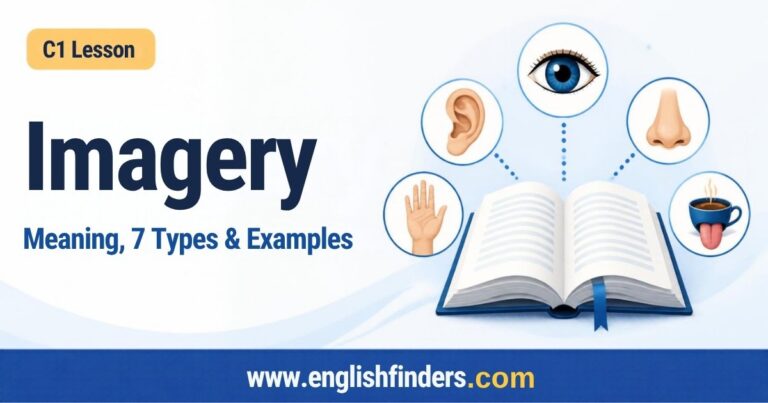
Imagery is descriptive language that appeals to the five senses. Learn the 7 types of imagery with examples, useful sensory words and how to use them...

Literary devices are techniques writers use to create meaning and effect. Learn 30 common literary devices in six groups, with clear examples and a quiz...
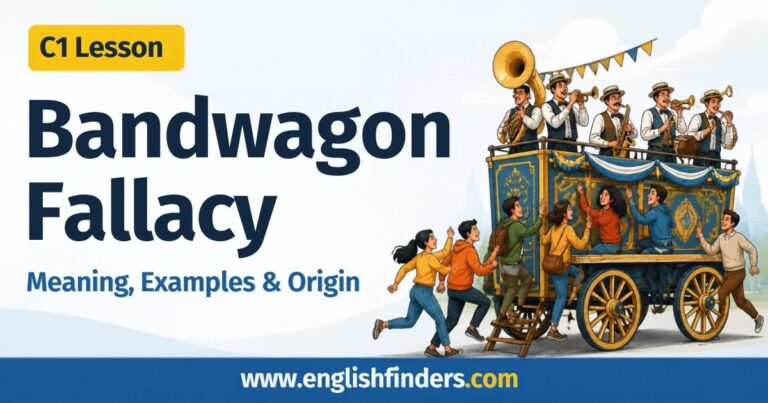
The bandwagon fallacy says something is right because many people believe it. Learn the meaning, the idiom “jump on the bandwagon”, examples and replies...
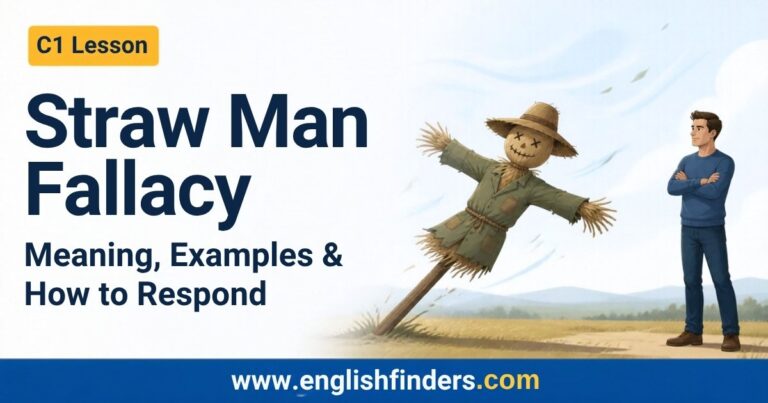
The straw man fallacy twists someone’s argument into a weaker one and then attacks it. Learn the types, clear examples, the steel man and how to respond...
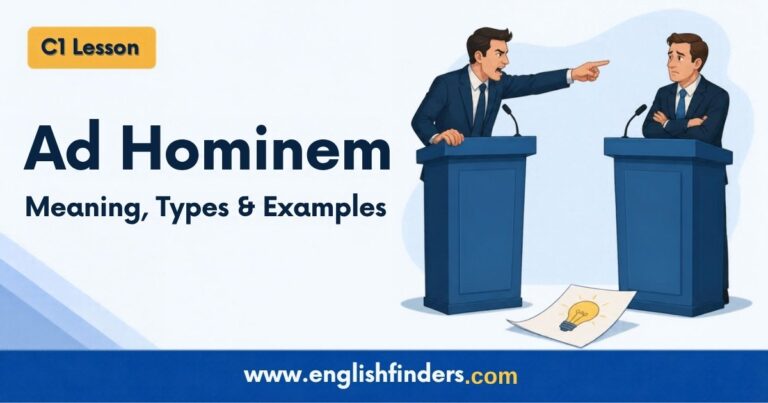
Ad hominem means attacking the person instead of their argument. Learn the meaning, the five main types, clear examples and polite ways to respond...
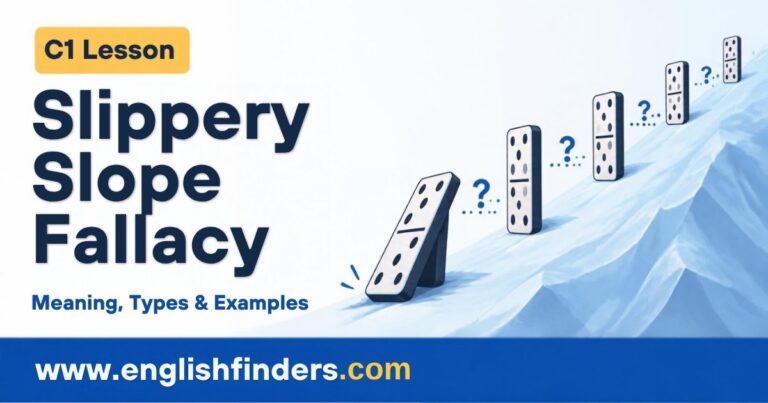
The slippery slope fallacy claims one small step will lead to disaster without evidence. Learn the types, examples and the careful language to avoid it...
A logical fallacy is a mistake in reasoning that makes an argument weak. Learn 15 common logical fallacies with simple examples, polite replies and a quiz...
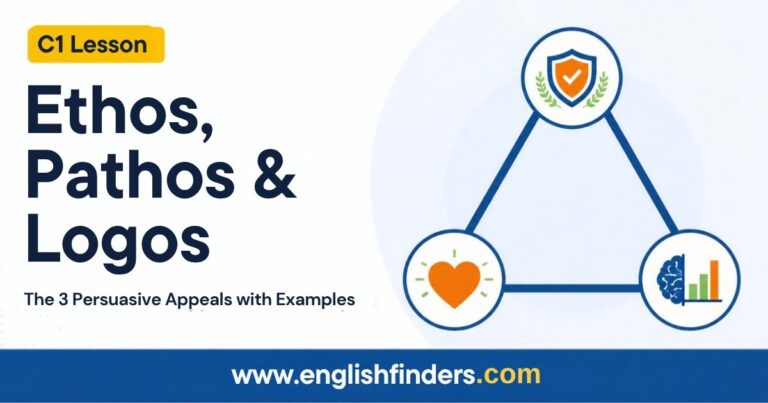
Ethos, pathos and logos are the three ways to persuade: trust, emotion and logic. Learn each appeal with clear examples, a comparison table and a quiz...
A paradox is a statement that seems impossible but reveals a truth. Learn the meaning, types and famous examples, plus how to use “paradoxically.”...