Present Tenses

Examples of Present Perfect Tense

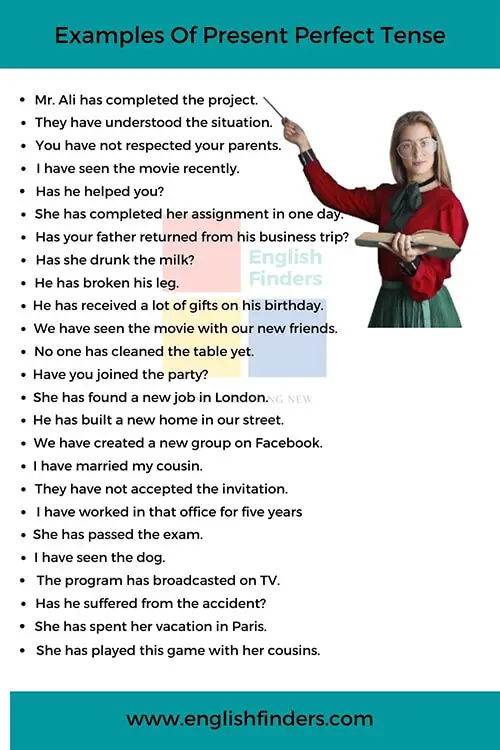
50 Examples Of Present Perfect Tense

This lesson will discuss the 50 useful examples of the present perfect tense. Present perfect tense describes an action that has been finished but its consequence still available. It takes “have” “has” as its helping verb, and the past participle form is added after the main verb. 50 Examples Of Present Perfect Tense Let’s see

50 Examples Of Present Perfect Tense Read More »

50 Examples of Simple Present Tense

50 Useful Examples of Simple Present Tense

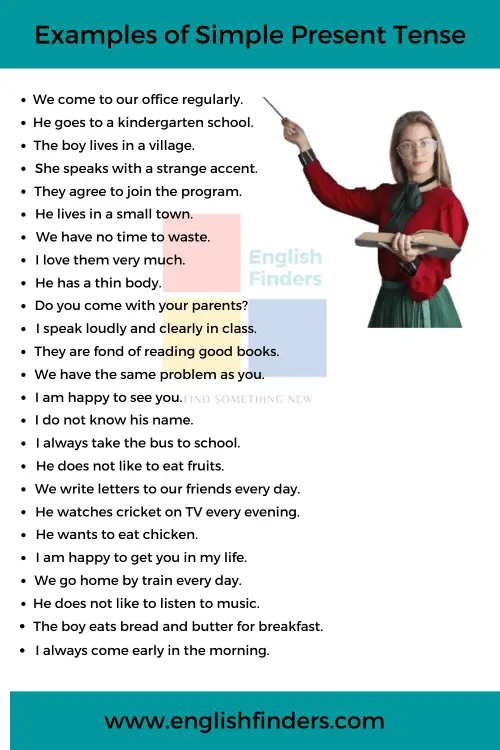
In this lesson, we will discuss 50+ useful examples of the simple present tense. The simple present tense is one of the most commonly used tenses in English, and we use it daily when discussing routines, facts, habits, or scheduled events. Simple Present Tense or Present Indefinite Tense indicates a present action or habitual fact.

50 Useful Examples of Simple Present Tense Read More »

Present perfect continuous tense

Present Perfect Continuous Tense | Definition, Structure, Examples

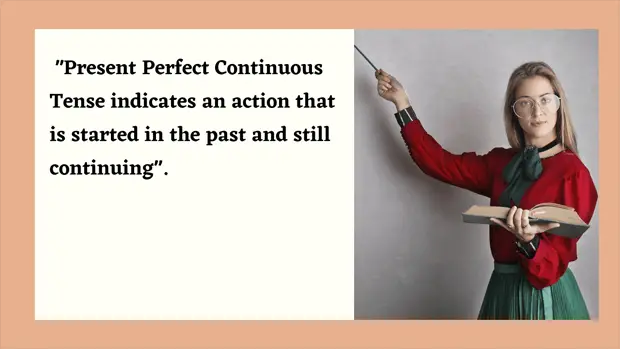
Present Perfect Continuous Tense As we know, we need to use tense to describe the time of action. Let us see the definition of the present perfect continuous tense. Present perfect continuous tense indicates an action that is started in the past and continues. For example: Note: ‘Since’ denotes a point of time, whereas ‘for’

Present Perfect Continuous Tense | Definition, Structure, Examples Read More »

Present perfect tense

Present Perfect Tense | Definition, Structure and Examples

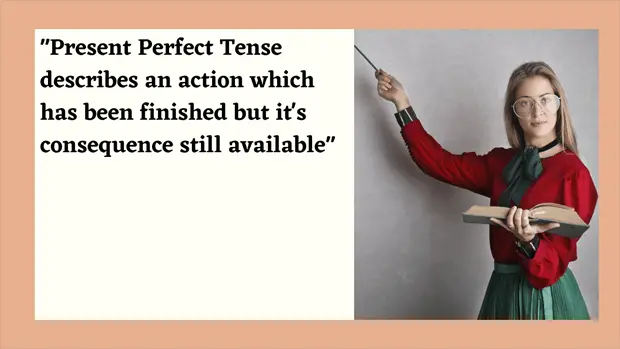
Present Perfect Tense Present Perfect Tense usually describes an action that has been finished, but its consequence is still available. Present Perfect Tense takes ‘have’ and ‘has’ as its helping verb and past participle form placed after the helping verb. Let us see some examples to get a clear conception about the Present Perfect Tense:

Present Perfect Tense | Definition, Structure and Examples Read More »

Present continuous tense

Present Continuous Tense | Definition, Structure and Examples

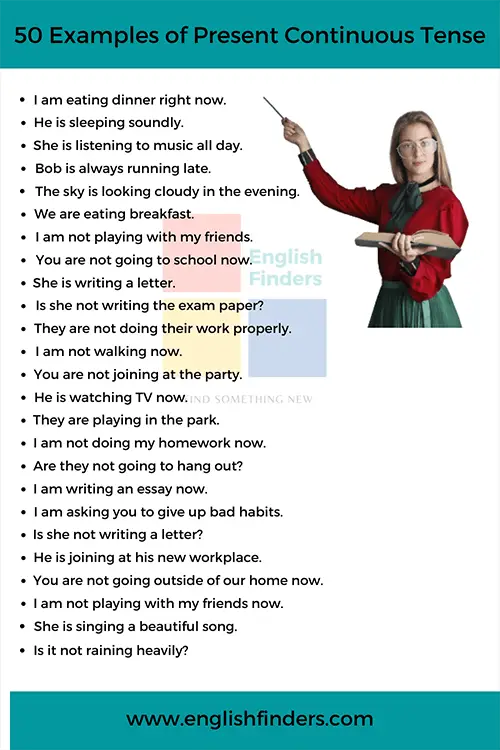
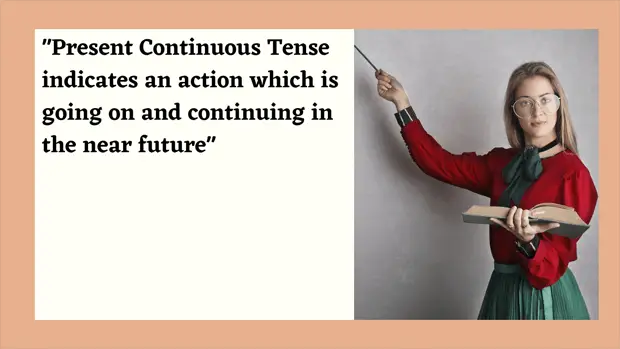
Present Continuous Tense We need to use Present Continuous Tense when an action is going on and continuing in the near future. Present Continuous Tense takes ‘am’, ‘is’ ‘are’ as its helping verbs and ‘ing’ added at the end of the main verb. Let us see some examples: Structure: Subject+am/is/are+Verb+(ing)+Object Let us see the different

Present Continuous Tense | Definition, Structure and Examples Read More »

Scroll to Top