
A logical fallacy is a mistake in reasoning that makes an argument weak. Learn 15 common logical fallacies with simple examples, polite replies and a quiz...
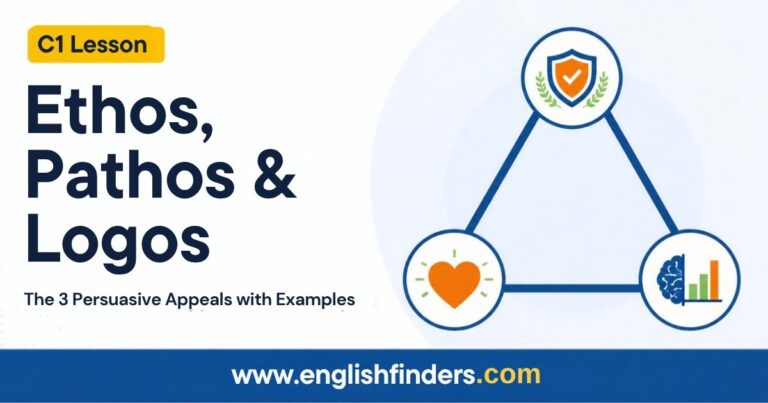
Ethos, pathos and logos are the three ways to persuade: trust, emotion and logic. Learn each appeal with clear examples, a comparison table and a quiz...
A paradox is a statement that seems impossible but reveals a truth. Learn the meaning, types and famous examples, plus how to use “paradoxically.”...
An allusion is a short reference to a famous story, person or event. Learn the meaning, types and 30+ common allusions in English, with a quiz...
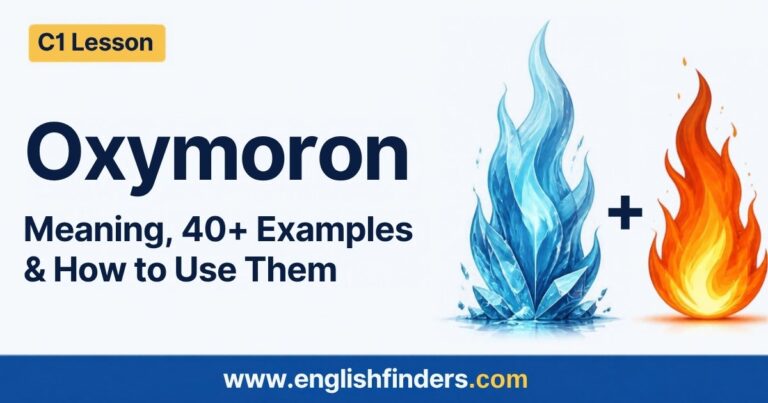
An oxymoron joins two opposite words, like “deafening silence.” Learn the meaning, pronunciation and 40+ examples with explanations, then try the quiz...
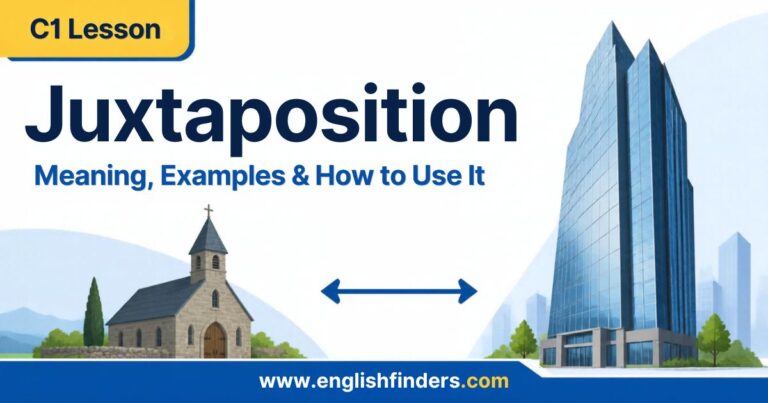
Juxtaposition means placing two contrasting things side by side. Learn the meaning, pronunciation and real examples, then practice with a short quiz...

Last updated on October 15th, 2026 at 07:58 am Maya is saving money with a view to buying a flat. The phrase with a view to tells us her aim. It means with the...

Last updated on September 13th, 2026 at 10:00 pmLanguage and dialect are two terms people often use interchangeably, but linguists draw a real distinction...

Last updated on September 27th, 2026 at 10:33 pmLanguage is a fascinating aspect of human communication that evolves and adapts to its surroundings. Observing...