
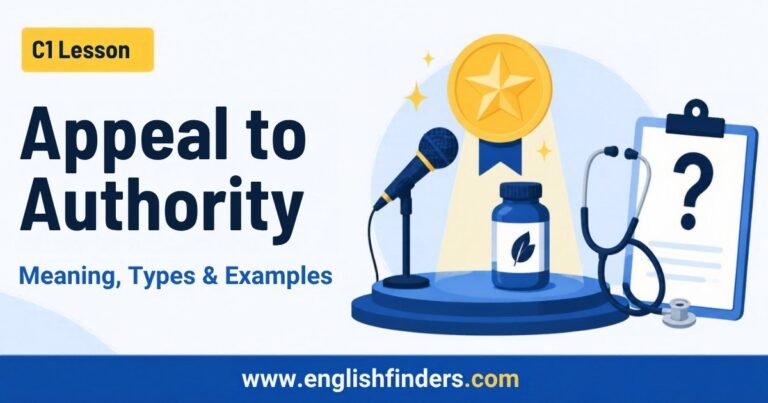
An appeal to authority accepts a claim just because an expert or famous person said it. Learn the types, when citing experts is fair, and clear examples...
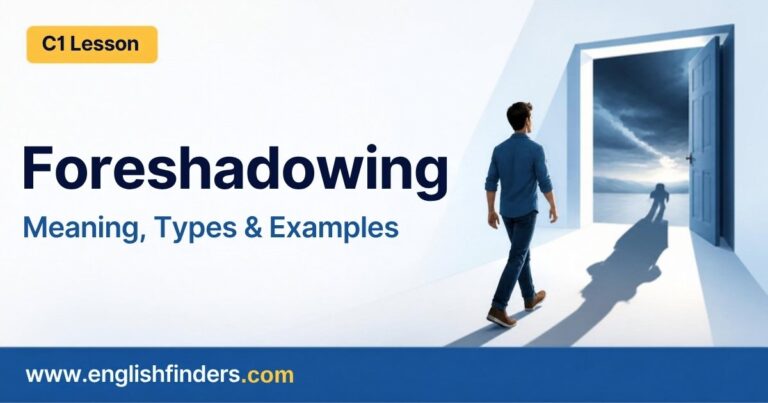
Foreshadowing is an early hint about what will happen later in a story. Learn direct and indirect foreshadowing, famous examples and how to use it...
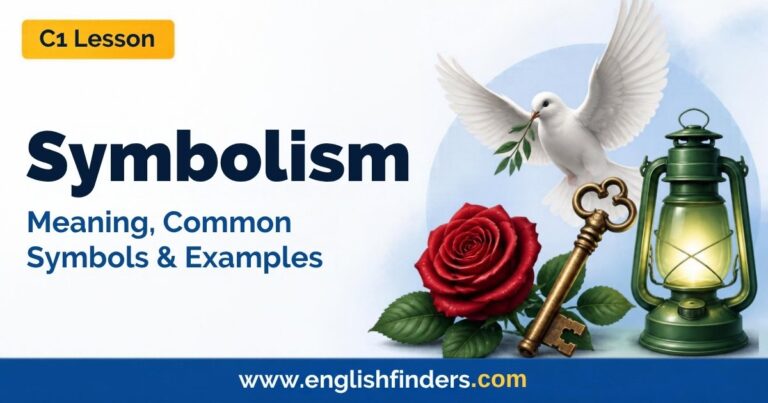
Symbolism uses objects, colors or characters to stand for bigger ideas. Learn the meaning, common symbols, famous examples and how to spot symbols...
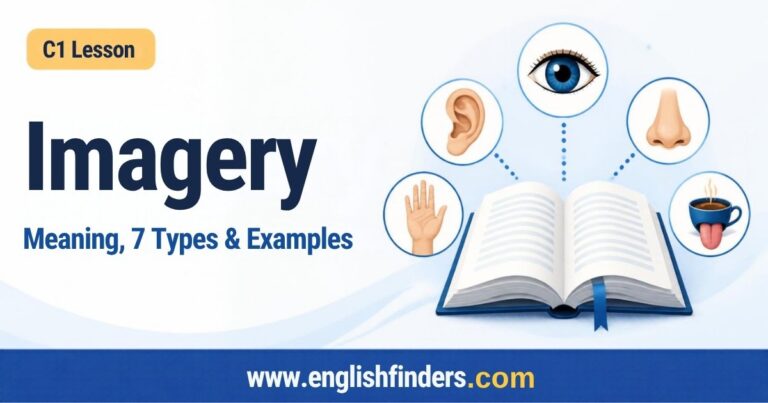
Imagery is descriptive language that appeals to the five senses. Learn the 7 types of imagery with examples, useful sensory words and how to use them...

Literary devices are techniques writers use to create meaning and effect. Learn 30 common literary devices in six groups, with clear examples and a quiz...
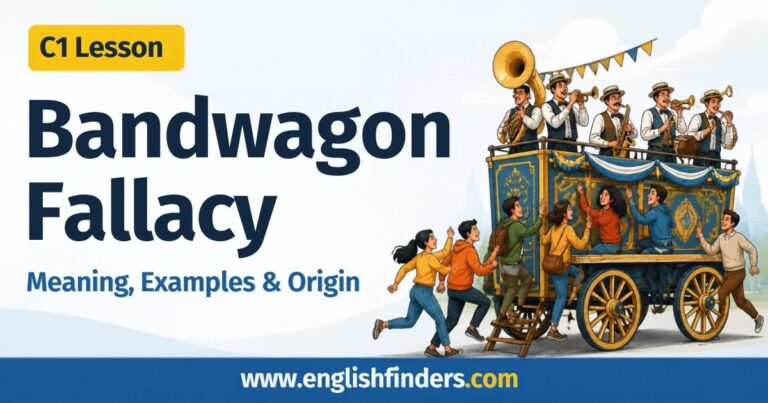
The bandwagon fallacy says something is right because many people believe it. Learn the meaning, the idiom “jump on the bandwagon”, examples and replies...
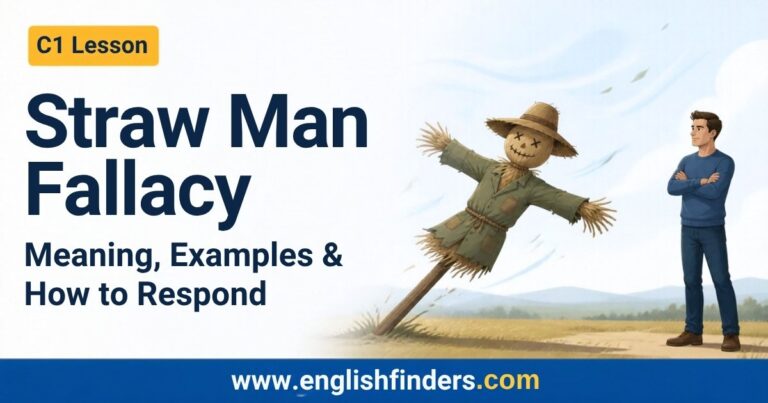
The straw man fallacy twists someone’s argument into a weaker one and then attacks it. Learn the types, clear examples, the steel man and how to respond...
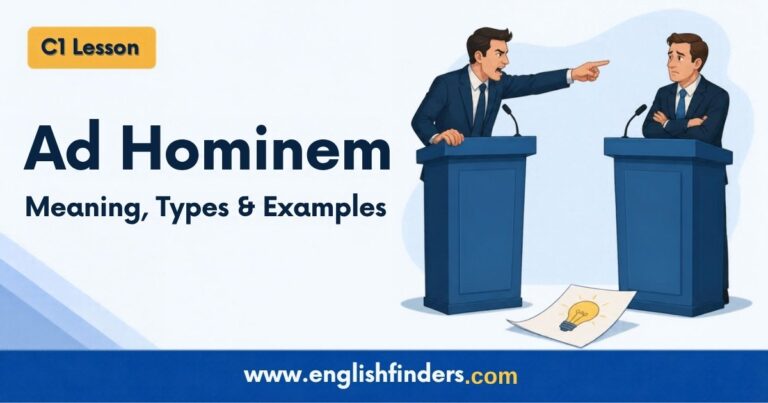
Ad hominem means attacking the person instead of their argument. Learn the meaning, the five main types, clear examples and polite ways to respond...
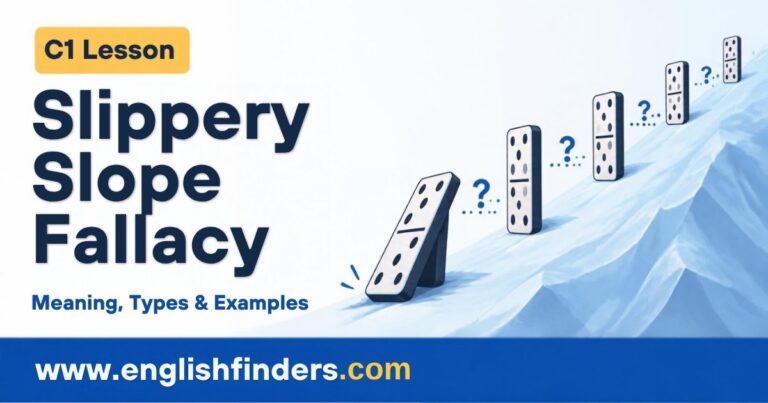
The slippery slope fallacy claims one small step will lead to disaster without evidence. Learn the types, examples and the careful language to avoid it...