Azizul Hakim

Azizul Hakim is the founder & CEO at English Finders. He is a passionate writer, English instructor, and content creator. He holds both a Bachelor’s and a Master's degree in English Language and Literature. With more than a decade of experience, he aims to make English learning simple, engaging, and accessible for everyone.

Present continuous tense

Present Continuous Tense | Definition, Structure and Examples

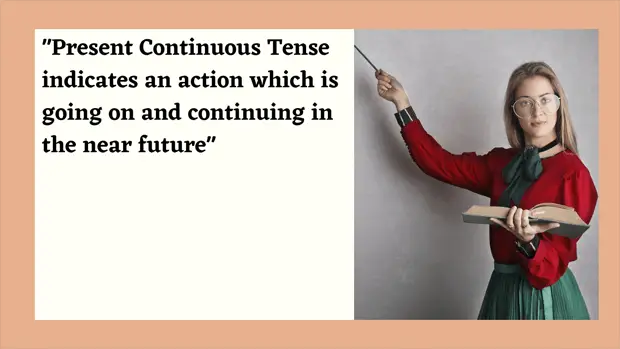
Present Continuous Tense We need to use Present Continuous Tense when an action is going on and continuing in the near future. Present Continuous Tense takes ‘am’, ‘is’ ‘are’ as its helping verbs and ‘ing’ added at the end of the main verb. Let us see some examples: Structure: Subject+am/is/are+Verb+(ing)+Object Let us see the different

Present Continuous Tense | Definition, Structure and Examples Read More »
Present indefinite tense

Present Indefinite Tense | Definition, Structure and Example

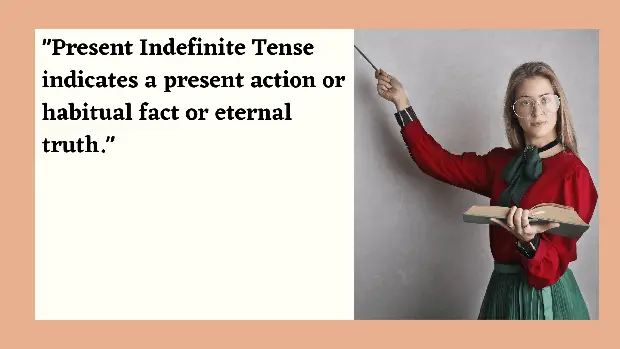
What is Present Indefinite Tense? We need to use the Present Indefinite Tense to indicate a present action, habitual fact, or eternal truth. If a sentence starts with the third-person singular number, then ‘s’ or ‘es’ are added to the main verb’s end. Let us see some examples of Present Indefinite Tense: Key Uses of

Present Indefinite Tense | Definition, Structure and Example Read More »

Past Continuous Tense

Past Continuous Tense | Definition, Structure and Examples

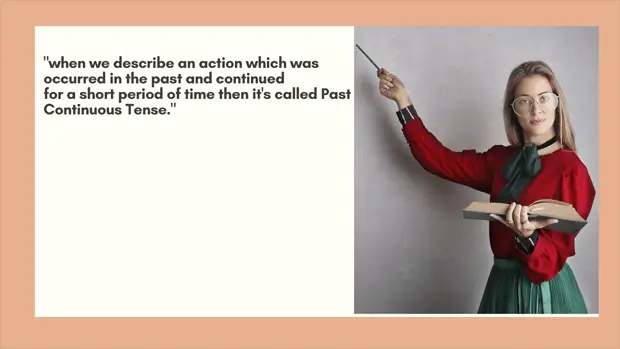
Past Continuous Tense Past Continuous Tense usually indicates an ongoing action that was continuing in the past for some time. Past Continuous Tense takes ‘was’ or ‘were’ as its helping verbs. So, when we describe an action that occurred in the past and continued for a short time, it’s called Past Continuous Tense. For example:

Past Continuous Tense | Definition, Structure and Examples Read More »

Past Indefinite Tense

Past Indefinite Tense | Definition, Structure and Examples

The Past Indefinite Tense (also called the Simple Past Tense) is used to describe actions, events, or situations that started and finished in the past. In simple words, we use the Past Indefinite Tense when we talk about something that happened at a specific time before now. For example, “I visited the place last weekend”

Past Indefinite Tense | Definition, Structure and Examples Read More »
Modal auxiliaries in English

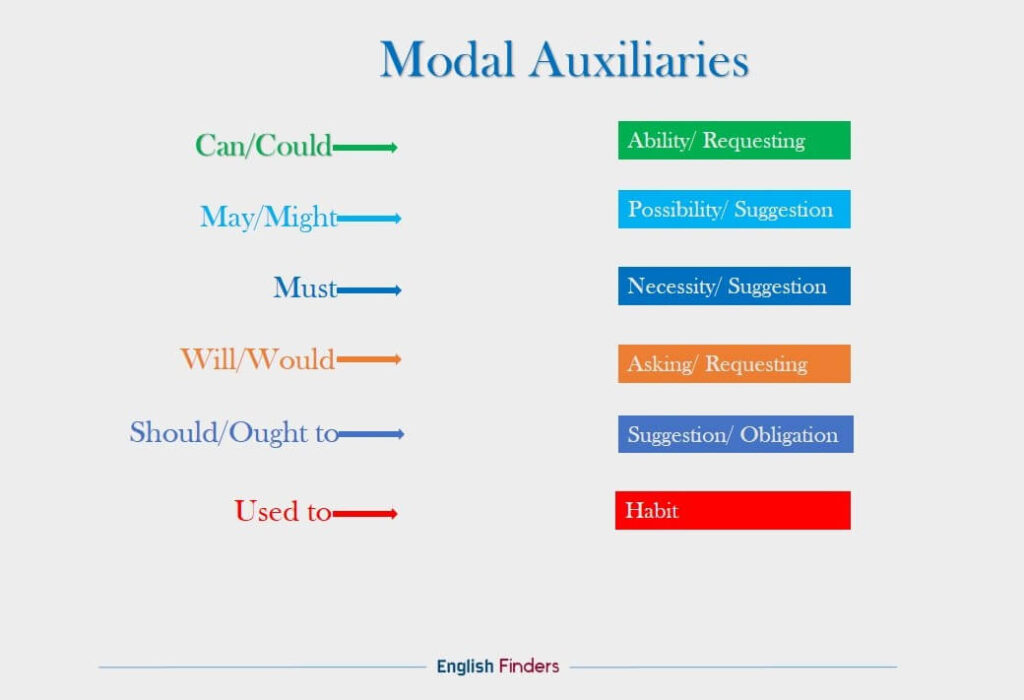
Modal Auxiliaries in English Grammar

Modal Auxiliaries in English Modal Auxiliaries are kinds of auxiliary verbs or helping verbs. But they are different from traditional or regular auxiliary verbs for several reasons. The main difference between modal auxiliaries and common auxiliaries is that modal auxiliaries do not change their primary form. In contrast, common auxiliaries can change their main form

Modal Auxiliaries in English Grammar Read More »

Scroll to Top